

Power outages are more than just an inconvenience; they can create hazardous situations in any building. When the main power fails, navigating dark corridors and stairwells becomes a significant safety risk. This is where a reliable emergency light system becomes crucial. These systems are not just a good idea—they are a mandatory safety feature in most commercial, industrial, and multi-unit residential buildings. Understanding how they work and what is required for installation ensures the safety of everyone inside.
An effective system includes both general emergency light fixtures and specific emergency exit lights. While a standard emergency light illuminates pathways, emergency exit lights clearly mark the routes to safety. Together, they form a comprehensive network that guides occupants out of a building during a crisis. This article will explore the essentials of emergency lighting, from how it functions to the basics of installation, ensuring you have the knowledge to maintain a safe environment.

The primary function of an emergency light is to provide immediate, automatic illumination when a building's primary power supply is interrupted. This could be due to a localized blackout, a fire, a natural disaster, or an internal electrical fault. Without this system, sudden darkness can lead to panic, disorientation, and accidents.
An emergency light emergency light system is designed to prevent these outcomes. It helps people see obstacles, find their way to safety, and avoid injury. This is particularly important in complex buildings with multiple floors, winding hallways, and numerous exits. By law, these systems must provide enough light for a specified duration, typically 90 minutes, to allow for a complete and orderly evacuation.
Moreover, clearly marked emergency exit lights are a fundamental component of this safety net. These signs are often the first thing people look for in a crisis. Their constant visibility, even during a power failure, is non-negotiable for compliance and, more importantly, for saving lives.
The core principle behind every emergency light is a self-contained power source. Each fixture is connected to the building's main electrical circuit but also contains a rechargeable battery and a charging circuit.
Normal Operation: While the main power is on, the emergency light operates in a standby mode. A transfer switch constantly monitors the AC power supply. During this time, the internal battery is kept at a full charge by the charger. For maintained systems, the light might be on continuously, while for non-maintained systems, it only activates during a power failure.
Power Failure Detection: The instant the transfer switch detects a loss of AC power, it automatically triggers the system.
Activation: The switch seamlessly transfers the power source from the main AC circuit to the internal DC battery pack. This powers the lamp, illuminating the area. The entire process is instantaneous, ensuring there is no period of total darkness.
Sustained Illumination: The battery is designed to power the emergency light for a legally mandated period, which is 90 minutes in the United States and many other regions. This duration provides ample time for occupants to evacuate the premises safely.
Recharging: Once the main power is restored, the transfer switch reverts to the AC circuit. The charging system then begins to replenish the battery's power, preparing the emergency light emergency light fixture for the next potential outage.
Emergency exit lights function on the same principle, ensuring the "EXIT" sign remains lit regardless of the building's power status.
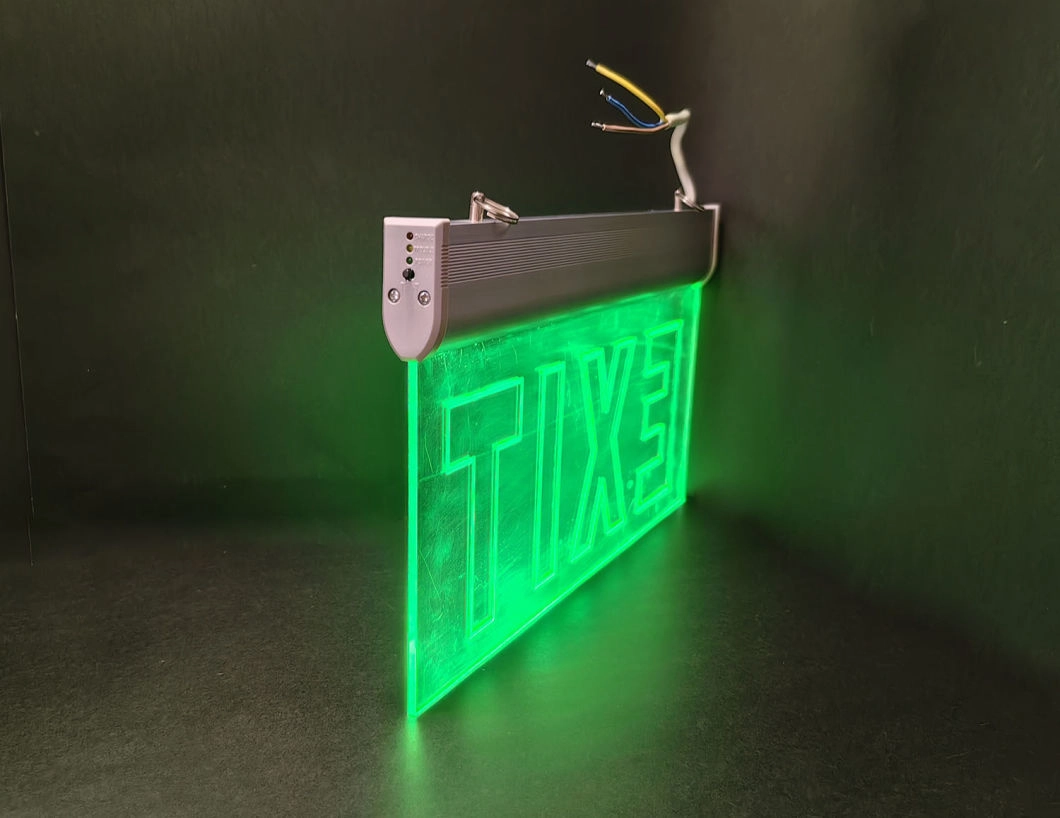
Emergency lighting systems can be categorized based on how they operate. Understanding the differences helps in selecting the right solution for a specific building's needs.
Here we answer some common questions about the installation and function of these vital safety systems.
Wiring an emergency light requires careful attention to electrical codes and safety standards. While it is strongly recommended that a licensed electrician perform the installation, understanding the general process is helpful.
The wiring depends on whether the fixture is "non-maintained" or "maintained."
Safety First: Turn off the power at the circuit breaker that will supply the light. Use a voltage tester to confirm there is no live current.
Identify Wires: The fixture typically has at least three wires: a switched live (for testing), a permanent live, and a neutral. The permanent live provides a constant charge to the battery. The switched live is connected to a momentary switch (key switch) that allows for manual testing of the emergency light emergency light function.
Connect the permanent live wire from the building's circuit to the corresponding terminal on the emergency light. This wire must not be on a switch that controls regular lighting. Connect the neutral wire from the circuit to the neutral terminal.
The switched live terminal is connected to a test switch, which interrupts the permanent live feed to simulate a power outage.
Mount and Test: Secure the fixture to the wall or ceiling as per the manufacturer's instructions. Restore power and check that the charging indicator light is on. Use the test switch to confirm that the emergency light activates correctly when power is cut.
The process is similar, but the wiring allows the light to be on continuously. It involves connecting both a permanent live feed (for battery charging and emergency operation) and a switched live feed (from the regular lighting circuit) to the fixture. This allows it to function as a normal light and an emergency light.
As detailed earlier, an emergency light works by using an internal, rechargeable battery as a backup power source. A built-in sensor, called a transfer switch, monitors the main electrical supply. When it detects an outage, it instantly switches to battery power, activating the light. Once AC power returns, the system switches back and begins recharging the battery, ensuring it's ready for the next emergency. This automatic and self-sufficient design is what makes emergency exit lights and general emergency lighting so reliable.
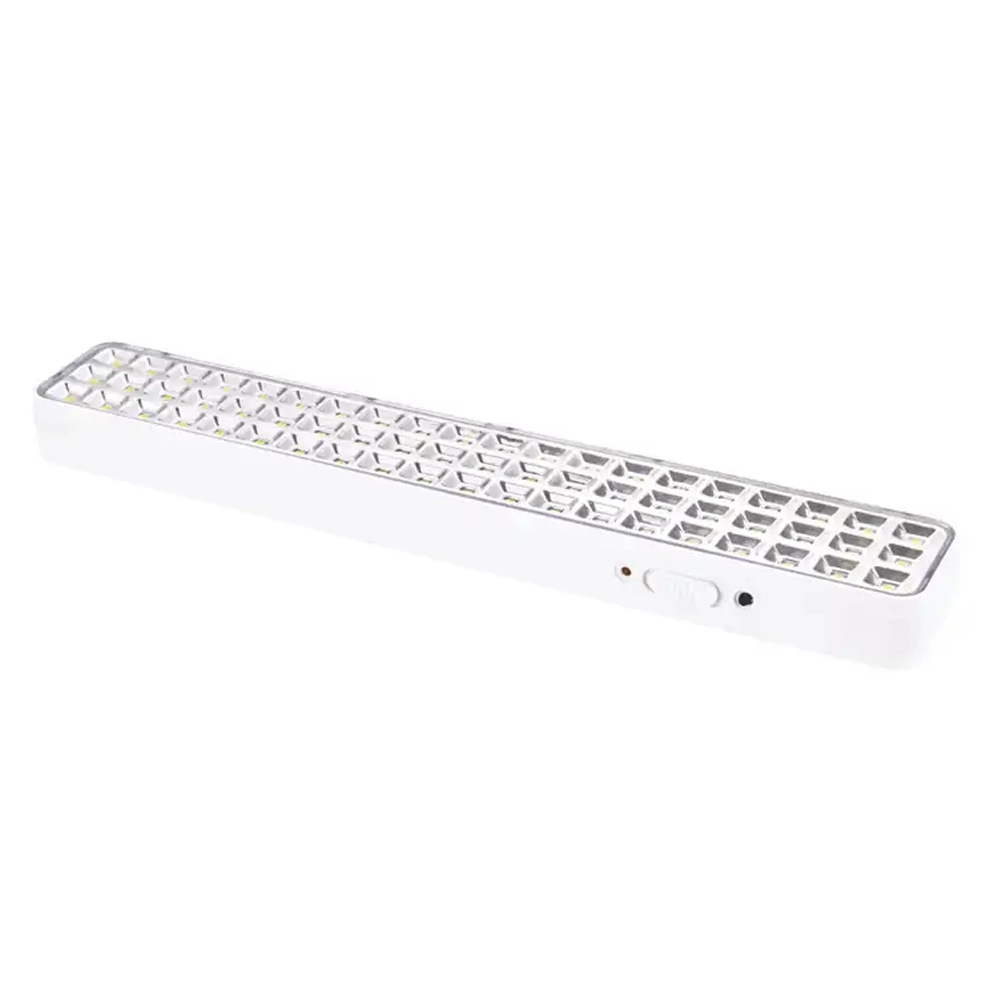
The effectiveness of your building's safety system depends entirely on the quality of its components. From the individual emergency light fixtures to the complex network of emergency exit lights, every element must be reliable, durable, and compliant with all safety regulations. A faulty emergency light emergency light system is a significant liability. For top-tier emergency lighting solutions that you can depend on, we recommend YuanHe. With a commitment to quality engineering and stringent safety standards, YuanHe provides a comprehensive range of emergency lighting products. Their fixtures are designed for reliability, longevity, and ease of installation, ensuring your building is always prepared.
Whether you are retrofitting an old building or specifying a system for new construction, YuanHe offers the expertise and products needed to create a safe environment. Their selection includes a variety of emergency light models and emergency exit lights suitable for any application.
To learn more about how YuanHe can enhance your building’s safety, please contact their expert team.
Email: kate@worldyuanhe.com / helen@worldyuanhe.com
Phone: +86-15992108555 / +86-13427117019